
About Danica & Balkanish
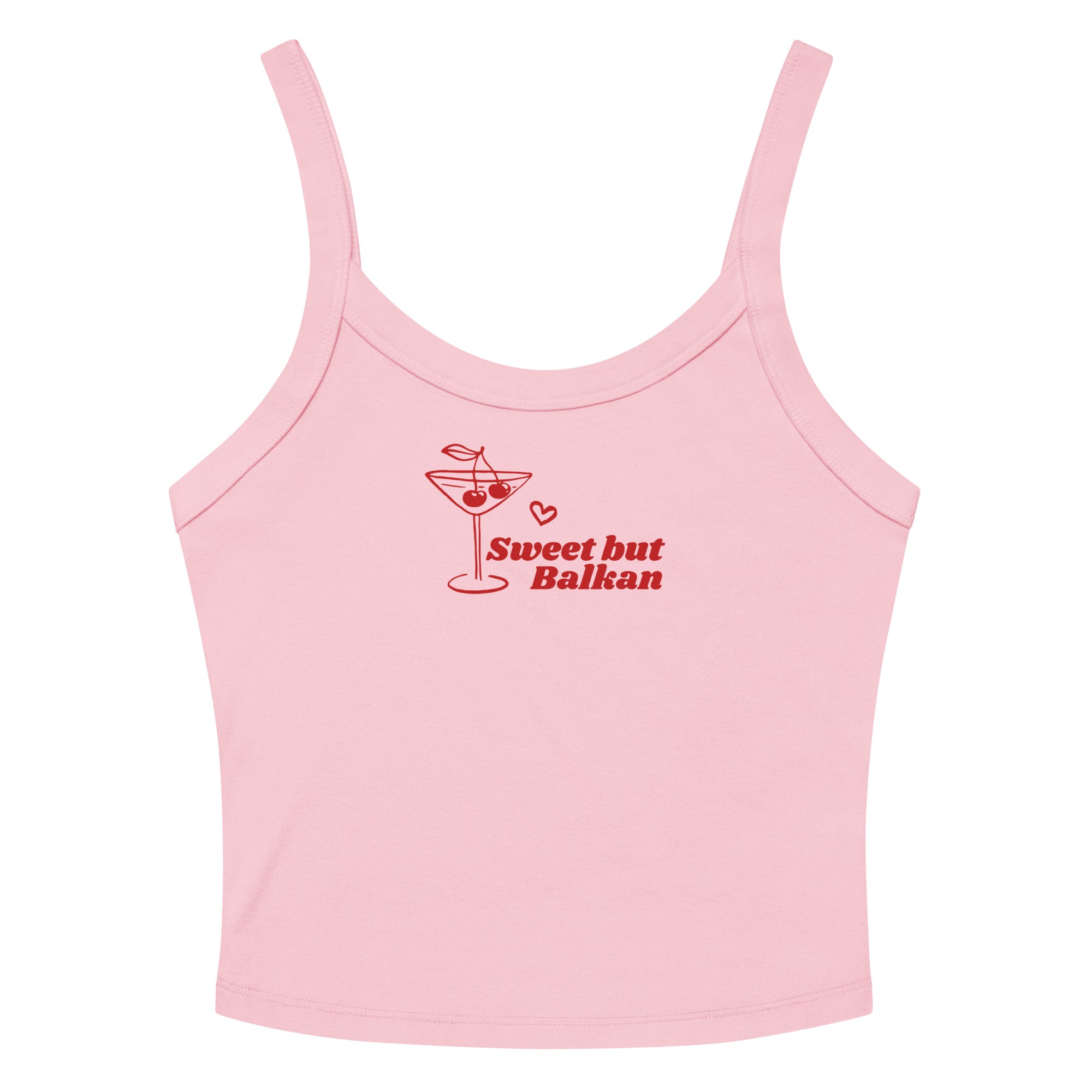
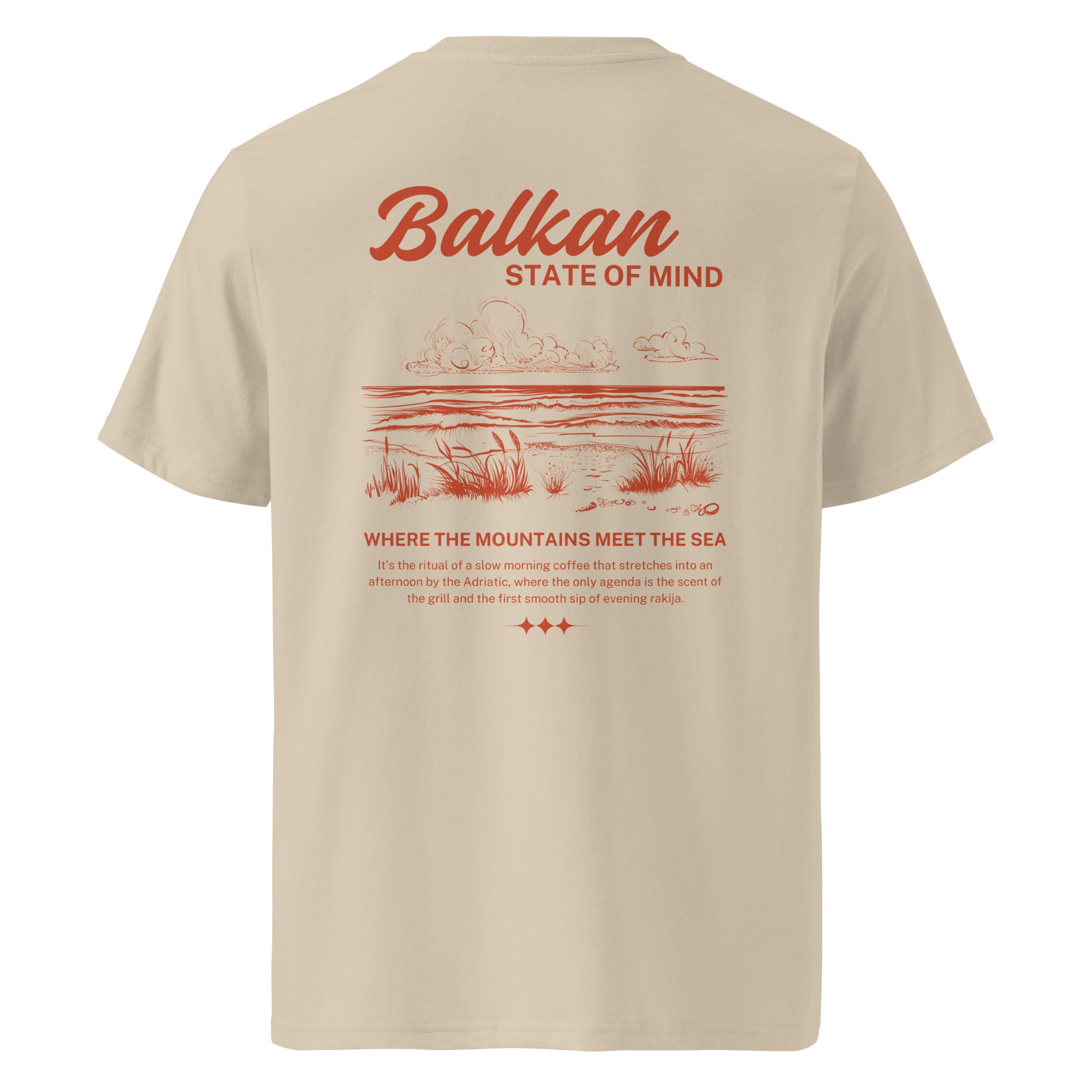
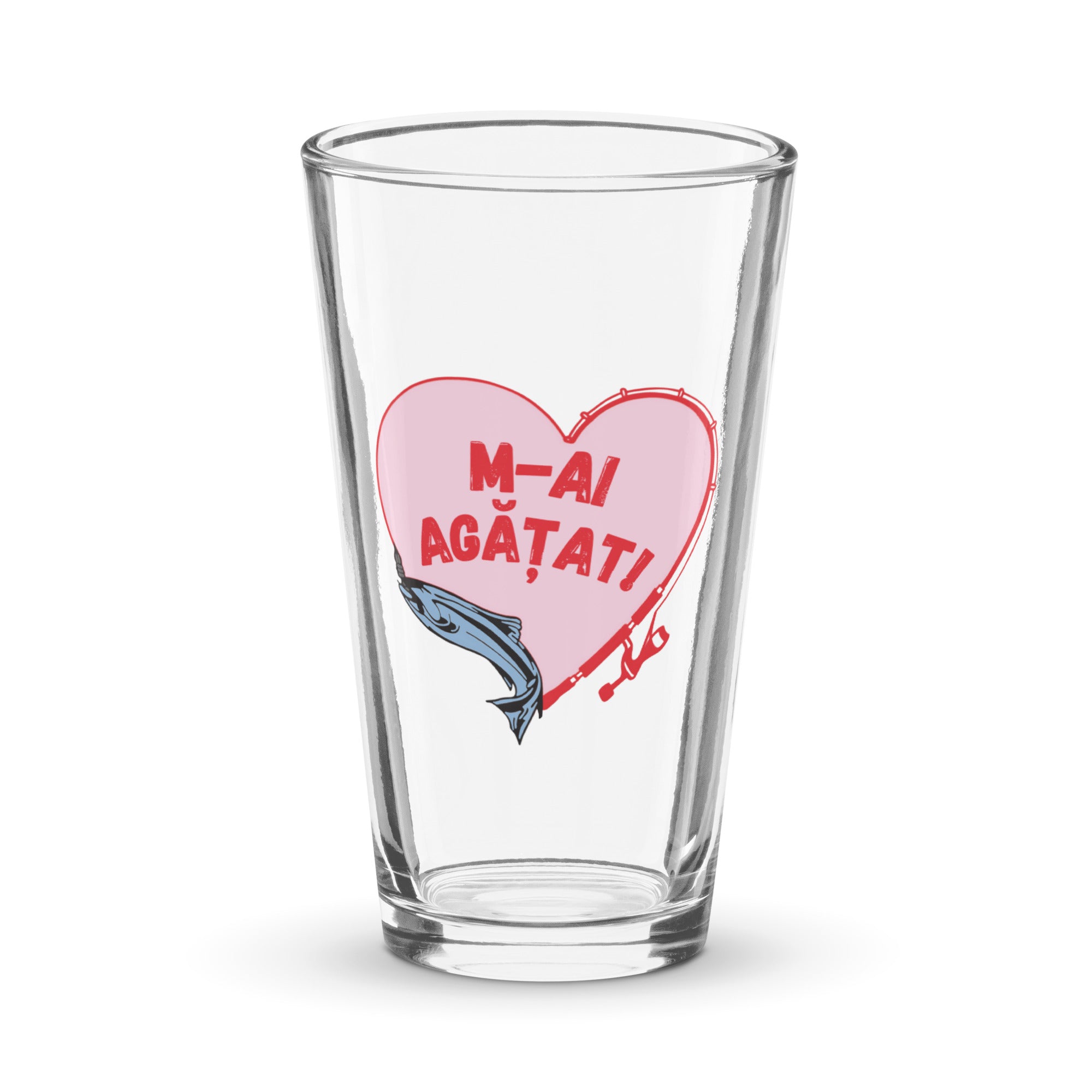
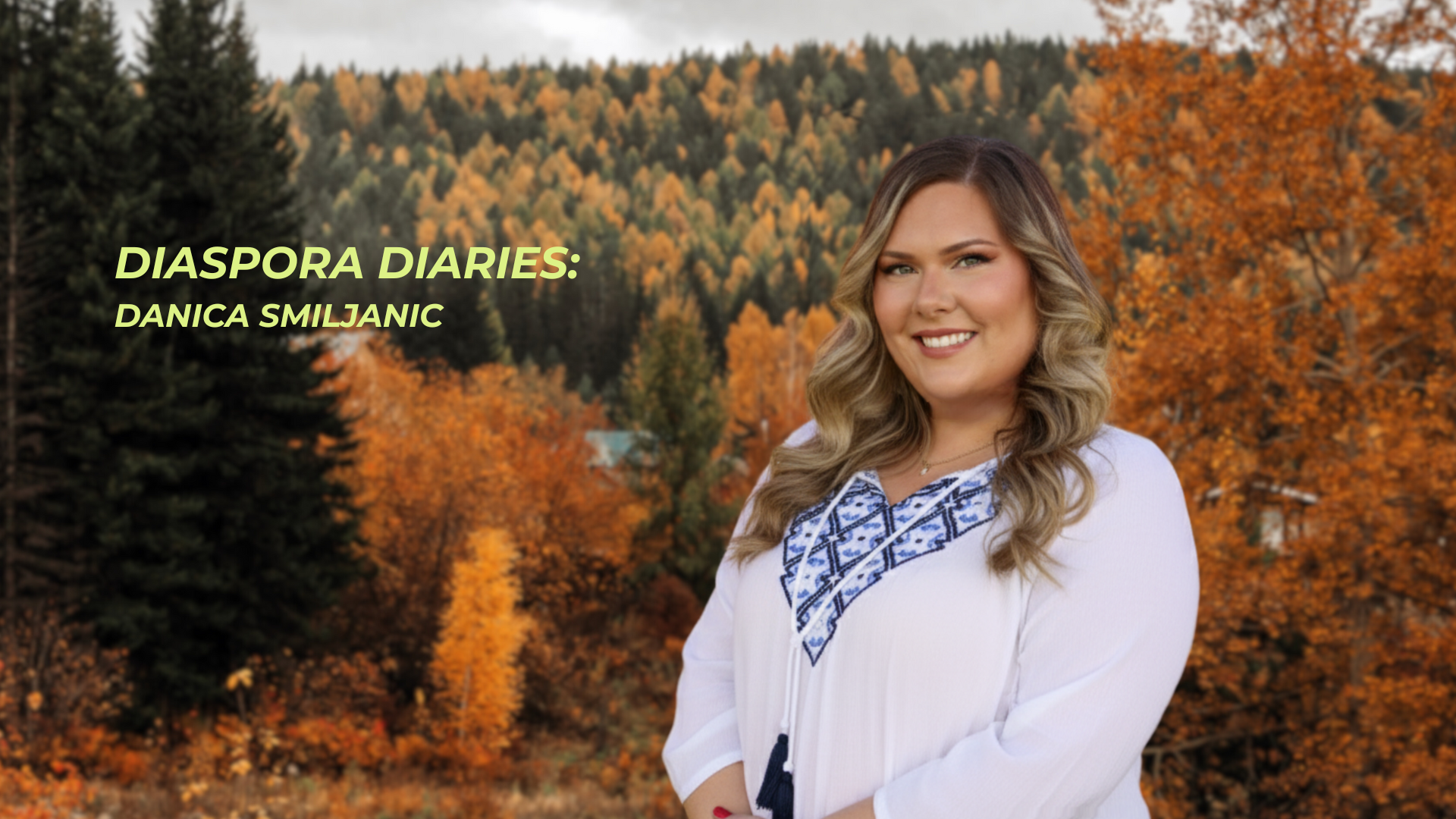
My name is Danica Smiljanic, and I’m the Co-Founder of Balkanish, a lifestyle brand created by the Balkan diaspora, for the Balkan diaspora. At Balkanish, we design apparel, home goods, and gifts that celebrate pride, humor, and culture for people connected to Albania, Bosnia and Herzegovina, Bulgaria, Croatia, Kosovo, Macedonia, Montenegro, Romania, Serbia, and Slovenia.
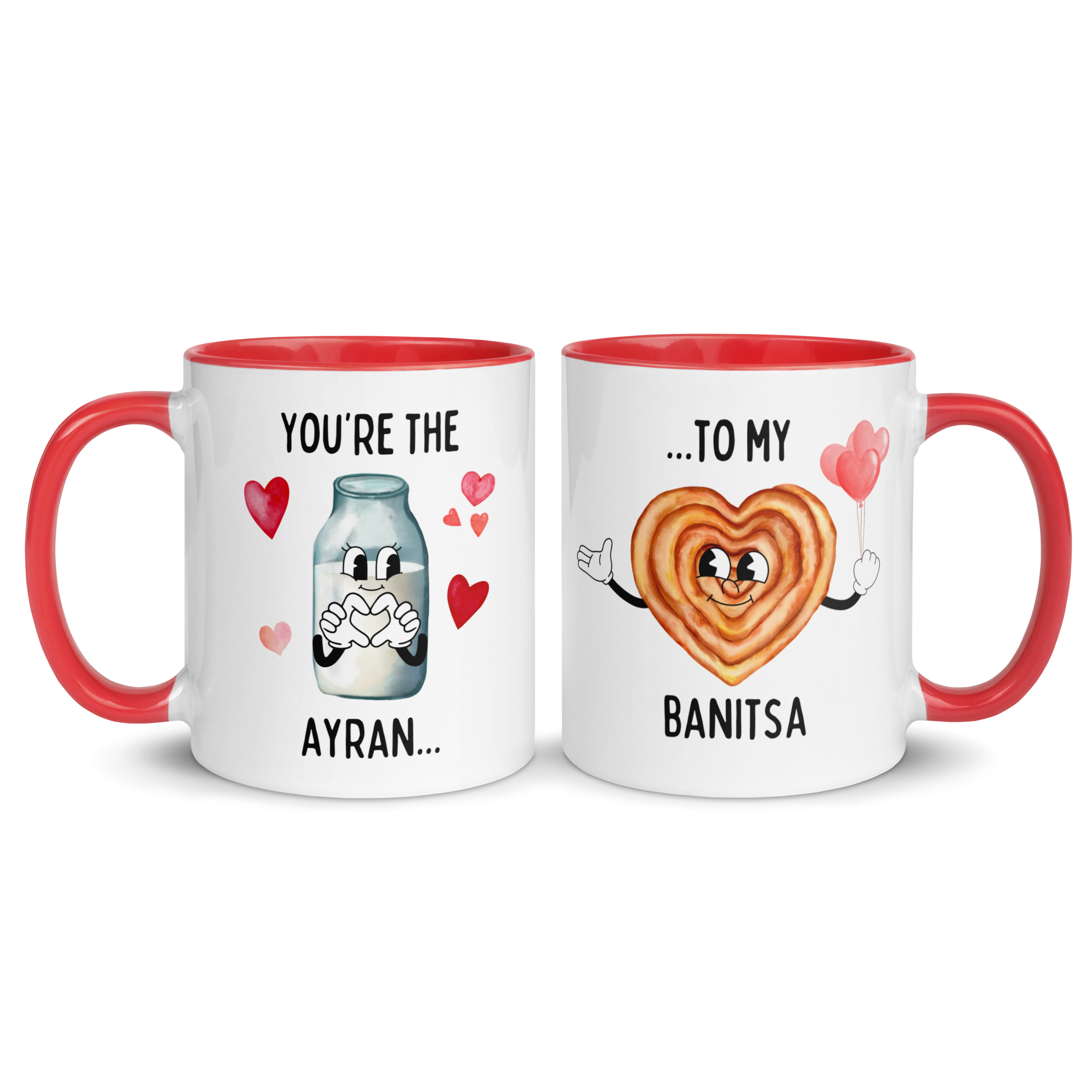
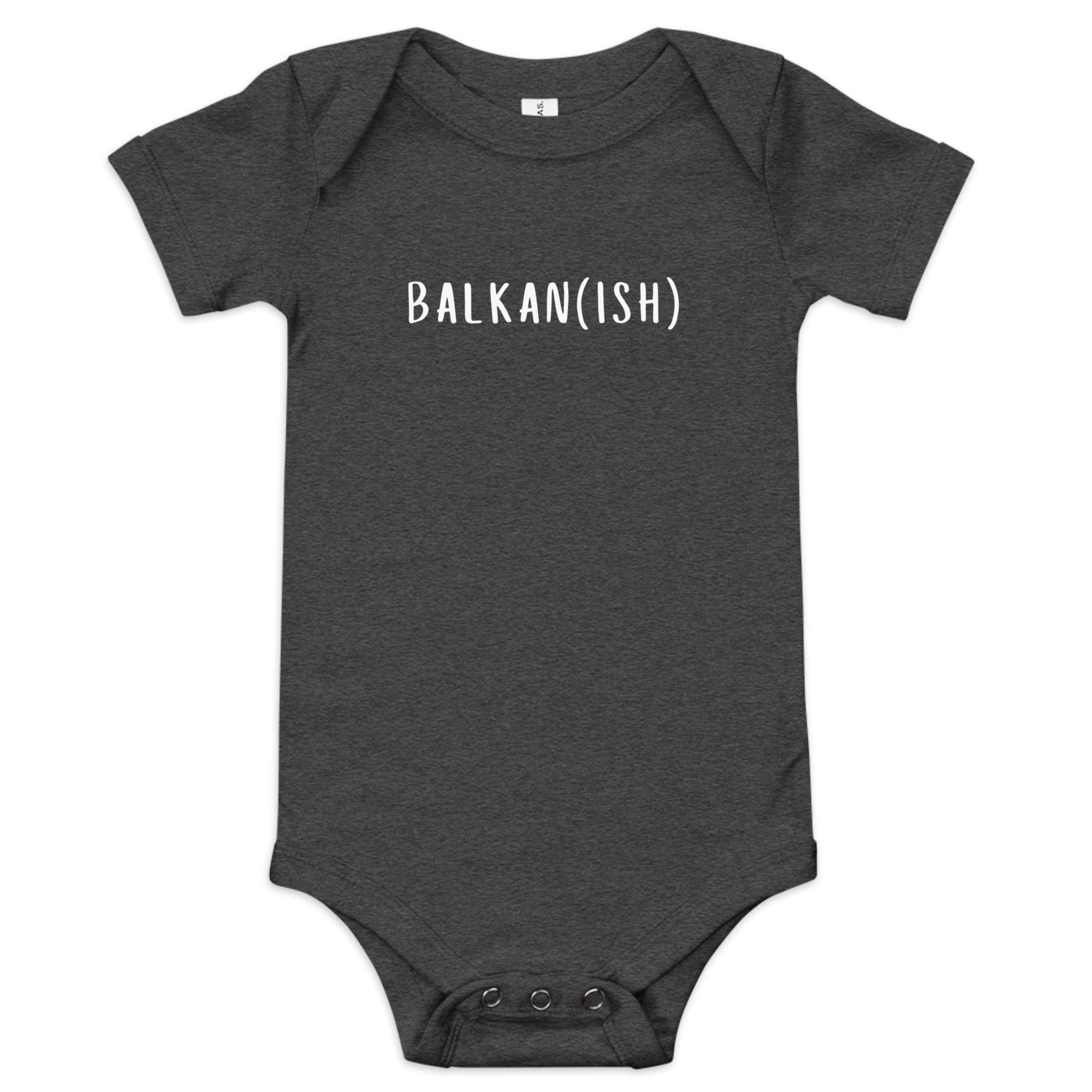
Together with my business partner Maria, we started Balkanish to give our community something we were missing: everyday products that reflect who we are, make us smile, and remind us that our culture is something to wear proudly; whether you’re drinking kafa from a mug, dressing your little one in a Balkan onesie, or pulling on a sweater that nods to your heritage.
This is the heart behind our new blog series, Diaspora Diaries. In every entry, we’ll feature a voice from our community to share what it means to grow up, live, and thrive in the diaspora. And for the very first edition, I’m sharing my own story.
🌍 Roots & Background
My father was born in Lika, Yugoslavia (today Croatia), where he grew up on a farm with seven siblings. Like many young people from the Balkans at that time, he faced a difficult choice early in life: at just 16 years old, he left home and traveled alone to Belgrade to attend school. Later, he made another brave decision; to leave Yugoslavia altogether and immigrate to Canada in pursuit of an easier life and the chance to start a family.
My mother was born in Toronto, Ontario, to two first-generation Serbian immigrants – my grandfather from Guča and my grandmother from Belgrade/ Beograd and Montenegro/ Crna Gora. For my mom, being Serbian was at the core of her identity. My grandparents became true pillars of the Serbian community in Toronto, running a Serbian radio show for over 50 years and creating a cultural lifeline for generations of diaspora families.
My earliest memories are tied to food, music, and tradition. We ate roasted lamb in the backyard, listened to Serbian music, spoke only Serbian at home, and I danced folklore from age five to eighteen.
But growing up in Canada in the 90s wasn’t always simple. While I was raised to be proud of who I am, there was a certain perception of Serbs at that time. I noticed eyebrows raise when I said I was Serbian or Yugoslavian. Once, my first-grade teacher even told me “the war was my war” and made me feel guilty for something I had no control over. In Toronto, my grandparents joined thousands of Serbs at Toronto City Hall, protesting the bombing of Belgrade. At school, I often felt different. Sometimes I longed for a peanut butter sandwich on Wonder Bread instead of Mama’s sarma. Other times, I wished my Canadian friends would play Zdravko Čolić instead of the radio.
The tension between how the outside world saw me and how my family celebrated who we were made me feel split. But it also gave me a deep understanding of what so many diaspora families experience: the pull of two cultures, and the challenge of finding your place in between.
💙 Identity & Culture
Being part of the Balkan diaspora today means I can embrace both sides of myself. I can be unapologetically Balkan; listening to turbofolk, celebrating slava, and living for kafana culture, while also loving cottaging, timbits, and celebrating Canada Day.
It wasn’t always like that. Up until my late twenties, I felt divided. Canadian with my Canadian friends, Balkan with my Balkan friends. Over time, though, I learned to merge the two identities and embrace my blended culture.
The traditions I hold closest are the ones that connect me back to my ancestors: our music, dance, language, food, and zest for life. I love that I can celebrate 2 Christmases and that our family’s slava brings everyone together. Now, more than ever, I’m proud of who I am and where I come from.
✨ The Balkanish Journey
When we lost my grandfather in 2020, it was the deepest loss I had experienced up until that point. At his funeral, we filled the room with photos and memorabilia from his lifetime; countless awards, decades of family memories, and tributes from the community he served. Even in the early days of COVID, over 600 people from the community came to honor him.
Together with my grandmother, my grandparents ran “Radio Program Ravna Gora” on Chin FM (Saturdays at 7pm, 100.7 FM) for over 50 years, and my Baba continues this tradition to this day. They were pillars of the Serbian community in Toronto, standing not only for culture but also for peace. It’s no secret that the Balkans have long been a region marked by conflict, and in their generation – and within the Toronto diaspora, the most dominant tensions were often between Croats and Serbs. Yet my grandfather never spoke poorly of other Balkan nations. His example was one of unity and dignity, and when he passed, even members of the Croatian community came to pay their respects.
It was in this moment that I felt truly inspired: “If my Deda and Baba could commit their lives to their community, what could I do to continue their legacy in a way that felt authentic to me?”
Shortly after, I married an all-Canadian guy who encouraged me to embrace both sides of myself. When I told him I wanted “A Big, Fat, Serbian Wedding,” he made it happen: an Orthodox church ceremony, a live accordion player, dancing kolo, drinking rakija, and celebrating with trubači until the early hours. It was the ultimate expression of who I am.
One month later, my business partner Maria and I created Balkanish; a brand that captures the Balkan spirit of pride, humor, and community. We design for everyone in the diaspora: for those fluent in their language and for those who may not speak it but still hold pride in their heritage. Our products are playful yet stylish, created to make you smile and remind you that Balkan culture is something to carry with you every day.
The proudest moment so far? Seeing repeat customers. Knowing people love our products enough to come back or shop for their family tells me we’re building more than a store, we’re building a Balkan diaspora community.
🐾 Personal Touch
One of my favorite products is our pet bandana line because I love my dog, and he’s a Balkan boy too.
As for food, Karađorđeva šnicla always makes me smile. It reminds me of our first family trip back to Ex-Yu and eating it on the shores of Montenegro with my family.
If I had to describe the Balkan diaspora in three words, I’d say: Bold. Proud. Fun.
🌟 Looking Ahead
For the future, we want Balkanish to grow into more than a brand. We want it to become a community for diaspora members, a safe place to share stories, embrace roots, and celebrate culture together.
My bigger dream for Balkan representation in the diaspora?
I dream of a time when Balkan culture isn’t remembered for conflict, but celebrated for its resilience, humor, creativity, and love of life. I want people in the diaspora to feel connected across borders and generations, proud of their blended identity, and able to share it with the world without hesitation.
And if there’s one message I’d leave for others in the diaspora, it’s this:
“The diaspora experience is not always easy. It’s okay to feel tied to both cultures. What you’ve created is a new blended culture — and that’s something you should embrace. We all belong.”
✨ This is just the beginning of Diaspora Diaries. Each story will highlight voices from the Albanian, Bosnian, Bulgarian, Croatian, Kosovar, Macedonian, Montenegrin, Romanian, Serbian, and Slovenian diaspora — because together, we carry the Balkans with us wherever we go.